
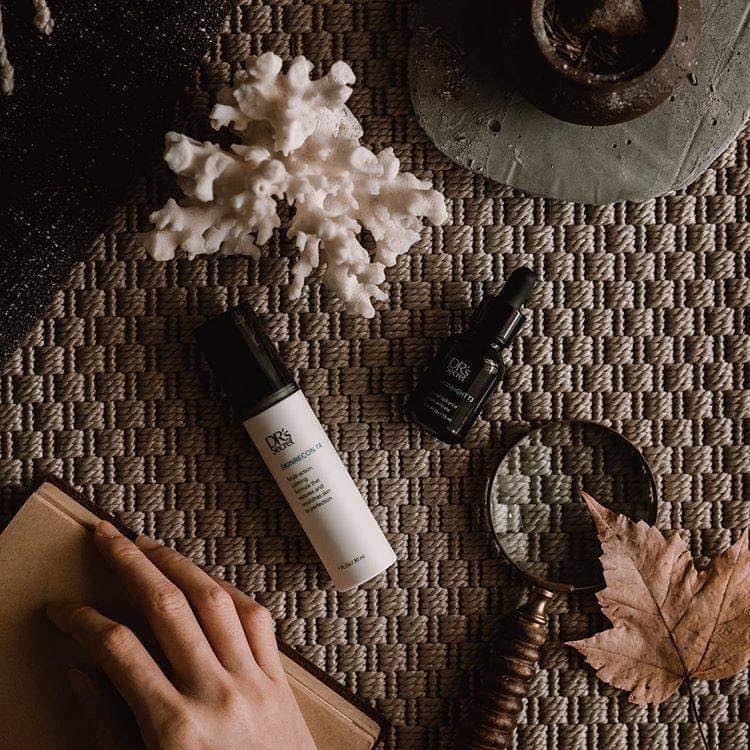
I did not have much interest about the ingredients in the skincare I was using last time, as what I have mentioned in my earlier post. I doubt who really care, right? Surprisingly, although to me BWL’s reputation as a public-listed company has no difference to those international brands, but many people may still concern about the safety of the ingredients in DR’s Secret products.
Especially if you are in the 30s like me, you must have heard of the “dark past” about DR’s Seager in Malaysia. It said that DR’s Seager contained “banned” chemicals and it was back into the markets with new brand name – DR’s Secret. I know curiosity killed a cat, but I have the duty to find out the real story, as its ambassador (LOL). To whom it may concern, you may want to go through the facts that I have gathered.
Firstly let’s talk about the brand name issue, BWL explained that DR’s Seager was the previous brand name used in regions such as Malaysia and Thailand, and have now been standardized to DR’s Secret. There might still be some DR’s Seager labelled products available in such regions during the transition period, but DR’s Secret assured to the public that the product efficacy remains the same.
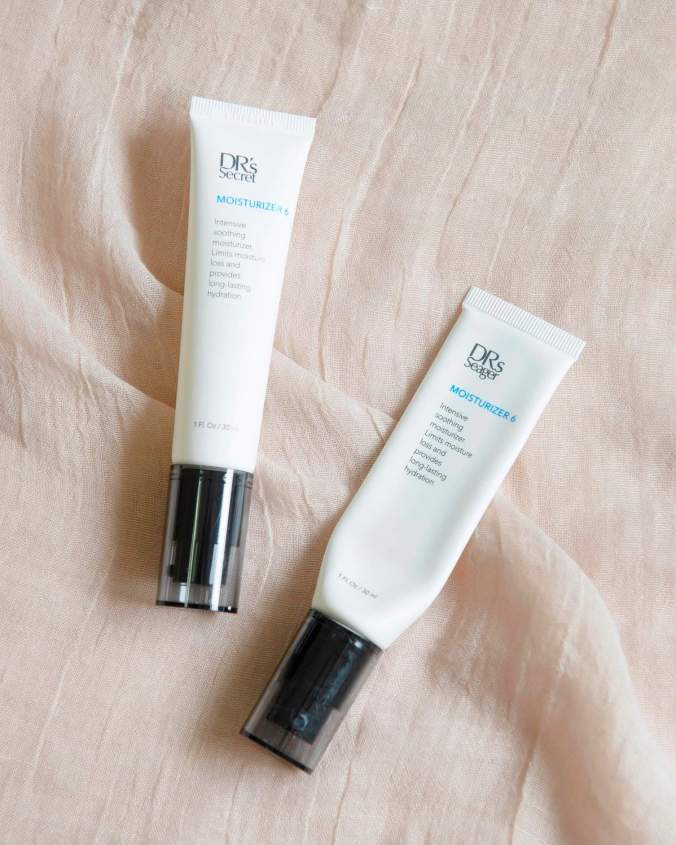
To my understanding from one of the founders Dr Doreen Tan during her products sharing session, and a little bit of research myself, the reason simply because DR’s Secret was identical to a trademark already registered when BWL wanted to file its trademark with Malaysian Trademark Registry in 2004, which is also the year BWL converted to public listed company in Singapore. A trademark registration is valid for ten (10) years, that was how it became DR’s Secret after a few years time when the previous one expired.
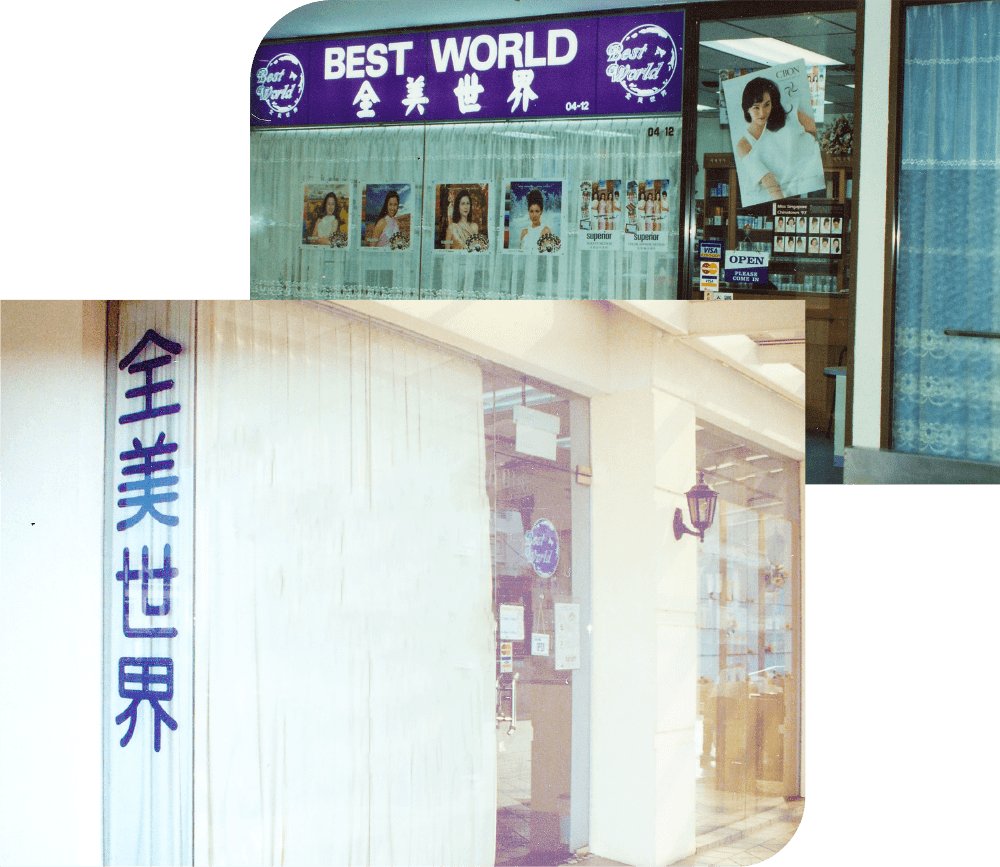
Looking at the storefront that BWL first had in 1990, perhaps both the founders Dr Dora Hoan and Dr Doreen Tan would never have imagined their business to grow that fast and big.
Secondly, which also being the consumers’ biggest concern I believe, what actually happened to the “banned” ingredients somewhere in the year of 2008, that people are rumored about? I actually came across few forums and a blog that wrote about Cosmetics & Skincare Banned by Ministry of Health, do feel free to read it if you are interested too, then cross-check the information in the official website of National Pharmaceutical Regulatory Agency (NPRA) under Cancellation of Notified Cosmetic Products. Are you able to validate that rumour? No, I don’t.
Anyway, we have clarified with BWL directly and understood that one of the products contained Hydroquinone and Tretinoin (aka Retinoic Acid), which are both the scheduled poisons according to the above Cancellation List by NPRA in 2008. Action was being taken promptly with ingredients replaced, since all over-the-counter (OTC) sales of those products had been banned. This could mislead many that hydroquinone and tretinoin are being banned to be used on our skins, in fact they still can be used but ONLY on the advice of a health professional.
To my opinion this sound different from what people were talking about, DR’s Seager changed name just to get rid of the suspicions. Singapore is one of the countries with the strictest laws in the world, do you think BWL can still survive this long and keep expanding to more countries if it did that?
What is Hydroquinone?
Hydroquinone is widely and safely used in clinical dermatology to treat acne scars, blemishes, chloasma, freckles, age spots and sun spots for 30 to 40 years. It has dramatic effects on a variety of pigmentary disorders and post-inflammatory hyperpigmentation, by decreasing the ability of melanocytes, the cells that produce pigment, to produce melanin.
Before the ban came into effect, the products sold without a prescription can contain 2% hydroquinone; while products available with a prescription have a concentration of as much as 4%.
What is Tretinoin (aka Retinoic Acid)?
Tretinoin is often used to treat sun damaged and acne prone skin. It is also the most used and research-proven anti-aging product for collagen-boosting, skin firming and skin renewal.
It has been used for more than 30 years as a first-line treatment for acne. And yes, just like hydroquinone, tretinoin is hard to beat too.
What are the side effects of using Hydroquinone & Tretinoin products?
Almost all medicines have side effects, hydroquinone & tretinoin products are same too. Similarly to other side effects that you may experience after changing your skincare regime, using hydroquinone & tretinoin products may cause the same, such as irritation.
Another one of the most well-known side-effects of hydroquinone & tretinoin products is that consumers can often find themselves more susceptible to ultraviolet (UV) rays and sunburn. While you should always make sure to wear sunscreen on bright days, if you’re using a product with hydroquinone & tretinoin products, you should apply sunscreen with a sun protection factor (SPF) even on cloudy days, and adequately hydrate your skin during the treatment.
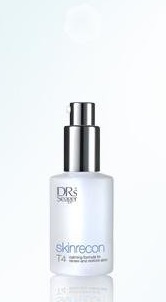
Let’s relate the side effects to the “dark history” now, so the stories from the aunties (including my biological aunts) that they had peeling skin after using the set of products are true!
It happened, undeniably. But, it is also the fact that we are unsure if they were properly guided by the trained distributors or Skin Buddies as what we call it now, when they were using T4 Skin Recon more than a decade ago.
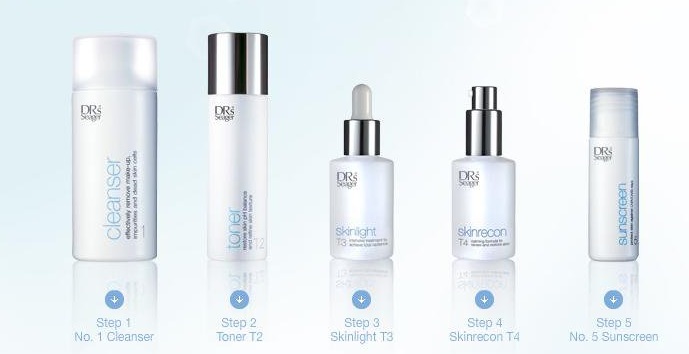
If you’ve been seeking a fix for your hyperpigmentation or sun damage, let the new generation of DR’s Secret products slowly but safely help you. Innovations in skincare are not slowing down, there are new, intriguing ingredients worth checking out from time to time so you may notice continuous upgrades in some of the products formulation. From the first generation of only No. 1 to No. 5 launched in 1990, DR’s Secret has 10 products that are formulated to be better complementary to each other now, as well as the addition of patented Miraglo cloth and the Aestier range, in the market throughout these years.
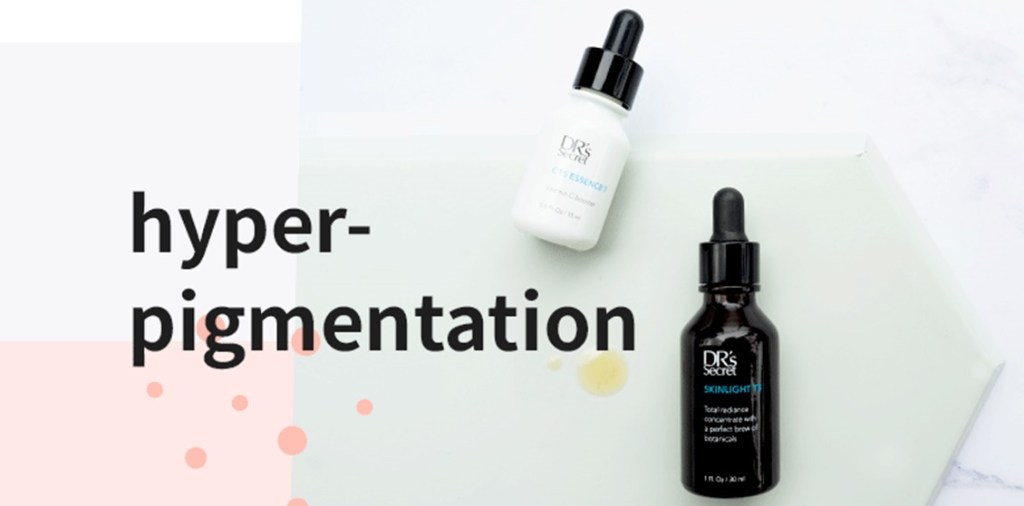
Otherwise, speak to your dermatologists for prescriptions because there is nothing as efficacious as hydroquinone and tretinoin in the market referring to a few skin experts in the US. It is their fear that the consumers will turn to the most dangerous and unregulated market of all — the black market, with chronic use of high levels of mercury and steroids.
As BWL’s official distributors, we are equipped with necessary products knowledge through online classes that are freely sponsored by the company. If you need a Skin Buddy, feel free to contact me 🙂


 Mommy Transforms